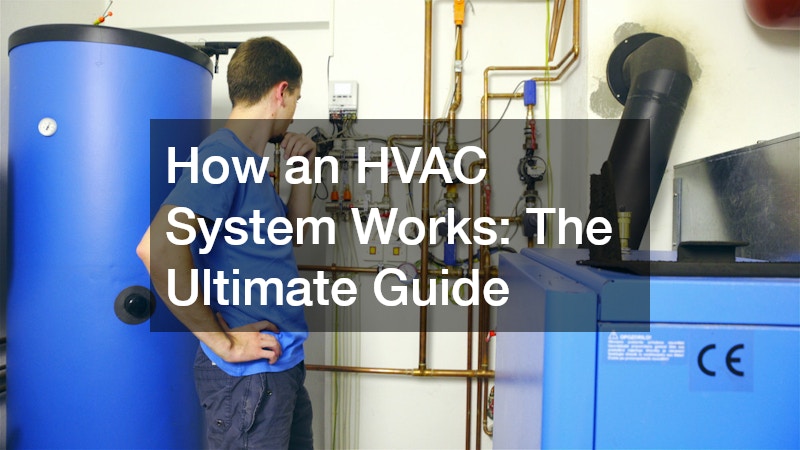
Understanding the intricacies of HVAC systems can empower homeowners and building managers to maintain optimal indoor conditions. This guide aims to demystify how HVAC systems function, offering insights into common questions that users often have. By the end, you should be equipped with the knowledge to make informed decisions about maintenance and selecting the best HVAC contractor.
What Components Make Up an HVAC System?
Heating Units
Heating units are fundamental to any HVAC system, playing a crucial role in temperature regulation within a building. Furnaces and heat pumps are the most common types of heating units, each with distinct mechanisms and energy sources.
Furnaces typically burn fuel, while heat pumps move heat from one place to another, exemplifying the concept of energy efficiency in different heating strategies.
By understanding how these heating units function, users can appreciate how crucial they are in maintaining temperature stability. The best HVAC contractor will often recommend units based on efficiency, output capacity, and the specific needs of the building. Considering both initial installation and ongoing operational costs is vital for choosing the right heating system.
Heating units not only ensure warmth during cold seasons but also form part of the overall climate control strategy of a building. For example, a heat pump has the capability to reverse its cycle, acting as both a heating and a cooling unit. This dual functionality highlights the interconnected nature of HVAC components and the importance of selecting the right unit for year-round comfort.
Ventilation Elements
Ventilation is a key aspect of an HVAC system, often overlooked in favor of more visible components like heating and cooling units. Air return ducts are essential in recycling air and ensuring that the indoor environment remains fresh and free from pollutants. Properly maintained filters not only enhance air quality but also improve system efficiency by preventing clogs and reducing strain on the system.
Ventilation elements help maintain a balanced air pressure within the building, crucial for overall efficiency. Without effective ventilation, even the best HVAC systems can suffer from inefficiencies and increased energy consumption. Selecting filters that match your system’s specifications and routinely inspecting air ducts are best practices recommended by experts.
The strategic placement and sizing of ventilation components can also significantly impact the energy efficiency of a building. For instance, a system with poorly designed air ducts may require more energy to circulate air effectively. Consulting with the best HVAC contractor can aid in optimizing these elements, ensuring both comfort and cost-effectiveness.
Air Conditioning Components
Cooling components in an HVAC system, such as evaporator coils, compressors, and condensers, work in harmony to regulate the indoor temperature. At the heart of this process is the refrigeration cycle, which extracts heat from the indoor environment and releases it outside. This cycle not only provides comfort on hot days but also plays a role in maintaining indoor air quality by reducing humidity.
The evaporator coil absorbs heat from the indoor air while the compressor pumps this heat away, compressing the refrigerant for release through the condenser coils. Each component is designed to handle specific temperatures and pressures; a malfunction in one part can affect the overall system’s performance. Regular inspections can help identify issues early, ensuring that your system runs efficiently and effectively.
Integrating smart technology, like programmable thermostats and energy-efficient compressors, can lead to even greater savings and comfort. Innovations continue to advance, with modern systems offering variable speed settings to match cooling needs more precisely. The best HVAC contractor will be up-to-date with these technologies and can provide guidance on suitable upgrades.
How Does an HVAC System Regulate Temperature?
The Thermostat’s Role
The thermostat is the command center of an HVAC system, dictating when and how the heating and cooling operations should occur. Its primary function is to monitor current temperature levels and adjust them according to user-defined settings. One of its standout features is the ability to schedule operations, reducing energy consumption during low-demand periods.
Modern thermostats offer programmable features that allow for temperature adjustments based on occupancy and daily routines. This not only enhances comfort but also optimizes energy use, which can lead to significant cost savings over time. Energy-efficient homes often rely on advanced thermostats to achieve both sustainability and economic goals.
A key innovation is the smart thermostat, which learns from historical data to anticipate heating and cooling demands. Such systems not only improve comfort but also track energy usage, providing insights that can lead to further optimizations. Consulting the best HVAC contractor can help you explore such advanced options suitable for your system.
Heat Exchange Process
The heat exchange process in HVAC systems is fundamental to both heating and cooling operations. In heating mode, systems like heat pumps extract heat from the outdoor air or ground and transfer it indoors. Conversely, for cooling, these systems remove indoor heat and expel it outside, utilizing the principles of the refrigeration cycle.
The efficiency of this process heavily depends on the condition and design of system components, such as heat exchangers and refrigerants. Regular maintenance ensures these parts function optimally, allowing for effective heat transfer. For those living in regions with fluctuating temperatures, efficient heat exchange is crucial for maintaining a consistent indoor environment.
Systems that utilize advanced refrigerants are not only more efficient but are also environmentally friendly. This consideration is increasingly important for homeowners prioritizing sustainable living practices. Engaging with the best HVAC contractor can provide solutions that balance environmental impact with system performance.
Seasonal Adjustments
HVAC systems are engineered to handle seasonal changes, ensuring that indoor comfort is maintained year-round. The transition from heating to cooling modes, commonly achieved through reversing valves in heat pumps, is pivotal for seasonal adaptability. Such adaptations, when timed correctly, offer significant energy savings while conserving system resources.
Energy-efficient systems can automatically calibrate settings based on seasonal demands, further optimizing performance. During colder months, these systems focus on maximizing heat retention, whereas summer strategies prioritize rapid heat expulsion. Consulting with the best HVAC contractor can provide tailored solutions for managing these transitions smoothly.
To maximize the lifespan and efficiency of your HVAC system, it’s imperative to understand the seasonal dynamics that affect its operation. Routine inspections before the onset of new seasons can identify potential issues that are easier to address proactively. Investing in preventive measures, guided by expert advice, ensures long-term reliability and efficiency.
How to Maintain an HVAC System for Optimal Performance?
Regular Maintenance Checks
Routine maintenance is an essential practice for any HVAC system with the goal of enhancing efficiency and extending operational life. Periodic inspections allow for the early identification and resolution of minor issues before they escalate into significant problems. Focusing on areas such as filters, ducts, and coils can yield substantial long-term benefits in performance and cost savings.
A well-maintained HVAC system consumes less energy, reducing operational costs and environmental impact. Regular filter replacement is crucial as dirty filters can restrict airflow and increase energy consumption by up to 15%. Collaborating with the best HVAC contractor ensures access to comprehensive maintenance services tailored to specific system needs.
Documenting maintenance activities is recommended for tracking system health and optimizing planned check-ups. This record aids not only in performance evaluation but also in maintaining warranty coverage by adhering to prescribed maintenance schedules. Professional servicing aligned with these records offers precise adjustments and cleaning, boosting the system’s longevity.
Recognizing Signs of Trouble
Recognizing early signs of potential issues within an HVAC system can prevent costly repairs in the future. Unusual noises, inconsistent temperatures, and unexpected energy bill spikes often signal that something might be amiss. Regularly monitoring system performance using these indicators helps in timely intervention.
Strange odors, reduced airflow, and excessive moisture can also point towards issues such as clogged filters or leaking ducts. These abnormalities, if ignored, can reduce system efficiency, heighten energy consumption, and even pose health risks. Understanding these warning signs will enable users to address them proactively.
Timely inspection and replacement of faulty parts not only restores system functionality but also enhances safety. Engaging with the best HVAC contractor ensures accurate diagnostics and effective remedies, minimizing the downtime experienced during repairs. Taking swift action prevents minor issues from evolving into major complications.
Professional Servicing Options
The value of professional HVAC servicing cannot be overstated, providing both peace of mind and expertise that enhances system performance. Certified technicians offer a level of analysis and adjustment beyond basic maintenance, ensuring comprehensive system checks. Their expertise enables them to identify inefficiencies and potential upgrades that a typical homeowner might overlook.
Scheduled maintenance by professionals, often aligned with seasonal transitions, provides a thorough inspection and adjustment of system components. This form of preventive care not only reduces emergency repair costs but also optimizes system efficiency and longevity. Expert servicing encompasses calibration, cleaning, and component checks, all vital for peak performance.
Engaging the best HVAC contractor with a proven track record guarantees reliability and thoroughness in service. Their services often include long-term maintenance plans, ensuring ongoing support and system evaluation. Choosing the right professional partner equips users with superior system management, fostering an environment of comfort and energy efficiency.
Armed with a thorough understanding of HVAC systems and their components, users can enhance their system’s performance, increase energy efficiency, and ensure indoor comfort throughout the year. Regular maintenance and attention to detail will prolong system life and optimize its functionality. Consulting with the best HVAC contractor provides expert advice and services that ensure your system is always running at its best.